






Amelia Peabody
historical mystery
Series · cozy mystery
The Brother Cadfael series by Ellis Peters has 21 known books (21 published) and is best read in publication order, starting with A Morbid Taste for Bones (1977).
Start here: A Morbid Taste for Bones (1977) — then read straight through in publication order.
The date order of published books and any announced future entries — the default way to read the series.
A Morbid Taste for Bones, published in 1977 at 208 pages, opens Ellis Peters's Brother Cadfael series and introduces its central figure: a Benedictine monk at Shrewsbury Abbey who came to the cloister late in life after decades as a Crusader and soldier of fortune, worldly experience that makes him the abbey's herbalist and its de facto detective. It sets the series against the real historical backdrop of 12th-century Shropshire.
Alternative text for cover: Cover of A Morbid Taste for BonesOne Corpse Too Many, the second Cadfael novel, appeared in 1979 at 207 pages, arriving between A Morbid Taste for Bones and Monk's Hood. It continues the series' grounding in real medieval history, as Cadfael's investigations begin to unfold against the Anarchy, the civil war between King Stephen and the Empress Maud that runs beneath the whole sequence.
Alternative text for cover: Cover of One Corpse Too ManyMonk's Hood, published in 1980 at 268 pages, sits between One Corpse Too Many and Saint Peter's Fair as the third Brother Cadfael mystery. Like the rest of the series, it draws Cadfael's investigation into the daily life of Shrewsbury Abbey, where his past as a soldier of fortune gives him a worldliness few of his fellow monks share.
Alternative text for cover: Cover of Monk's HoodSaint Peter's Fair, the fourth Cadfael novel, was published in 1981 at 268 pages, following Monk's Hood and preceding The Leper of Saint Giles. As in every entry, Cadfael works alongside -- and sometimes at odds with -- the local sheriff's officers, his herbalist's knowledge and worldly past giving him an investigative edge.
Alternative text for cover: Cover of Saint Peter's FairThe Leper of Saint Giles, the fifth book in the series, was published in 1981 at 226 pages. It continues Ellis Peters's project of rendering Shrewsbury Abbey and Cadfael's monastic life with real medieval-history rigor, set against the ongoing backdrop of the Stephen-and-Maud civil war that runs through the series.
Alternative text for cover: Cover of The Leper of Saint GilesThe Virgin in the Ice, published in 1982 at 236 pages, sits between The Leper of Saint Giles and The Sanctuary Sparrow as the sixth Cadfael mystery. Five years into the series, Peters was still pairing each self-contained case with the real historical stakes of the Anarchy unfolding in the background.
Alternative text for cover: Cover of The Virgin in the IceThe Sanctuary Sparrow, the seventh entry, appeared in 1983 at 254 pages between The Virgin in the Ice and The Devil's Novice. Like the rest of the series, it draws Cadfael's investigative eye -- sharpened by decades as a Crusader and sailor before he took orders -- into a case touching Shrewsbury Abbey itself.
Alternative text for cover: Cover of The Sanctuary SparrowThe Devil's Novice, published in 1983 at 192 pages, follows The Sanctuary Sparrow as the eighth Brother Cadfael novel, preceding Dead Man's Ransom. As in every book in the series, Cadfael's investigation plays out against the real historical unrest of the Anarchy convulsing 12th-century England.
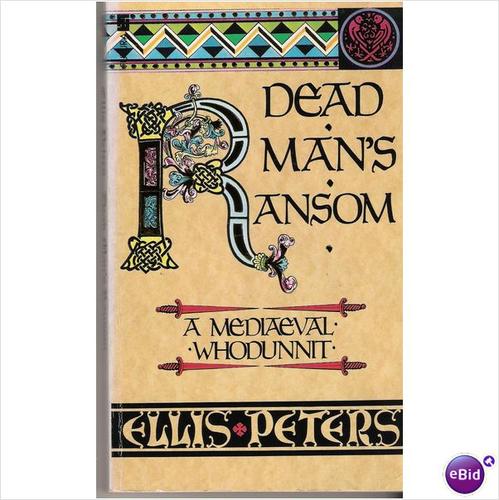
Alternative text for cover: Cover of The Devil's NoviceDead Man's Ransom, the ninth Cadfael mystery, was published in 1984 at 224 pages. By this point in the series Ellis Peters had firmly established Cadfael's dual identity -- Shrewsbury Abbey's herbalist and its most perceptive judge of character -- as the engine driving each self-contained investigation.
Alternative text for cover: Cover of Dead Man's RansomThe Pilgrim of Hate, the tenth book in the series, was published in 1984 at 271 pages. Like the rest of Ellis Peters's Cadfael novels, it sets a self-contained murder investigation against the real historical backdrop of the civil war between King Stephen and the Empress Maud.
Alternative text for cover: Cover of The Pilgrim of HateAn Excellent Mystery, the eleventh Brother Cadfael novel, was published in 1985 at 224 pages. It continues the series' hallmark blend: real medieval-history detail about Shrewsbury Abbey and its Benedictine routines, paired with Cadfael's worldly, humane instincts as an investigator.
Alternative text for cover: Cover of An Excellent MysteryThe Raven in the Foregate followed An Excellent Mystery as the twelfth Brother Cadfael novel, appearing in 1986 at 238 pages. As in the rest of the series, Cadfael's work as abbey herbalist and his history as a soldier before taking orders combine to make him Shrewsbury's de facto detective whenever a body turns up.
Alternative text for cover: Cover of The Raven in the ForegateThe Rose Rent, the thirteenth entry, was published in 1986 at 239 pages. Nearly a decade into the series, Ellis Peters was still setting each self-contained Cadfael mystery against the real historical texture of Shrewsbury Abbey and the ongoing Anarchy between Stephen and Maud.
Alternative text for cover: Cover of The Rose RentThe Hermit of Eyton Forest, the fourteenth book in the series, was published in 1987 at 242 pages. It continues Ellis Peters's pairing of a self-contained whodunit with the genuine historical stakes of 12th-century Shropshire, investigated by a monk whose Crusader past makes him unusually worldly for the cloister.
Alternative text for cover: Cover of The Hermit of Eyton ForestA Rare Benedictine, published in 1988, is a standalone entry in Brother Cadfael without a numbered position, arriving between The Hermit of Eyton Forest and The Confession of Brother Haluin.
Alternative text for cover: Cover of A Rare BenedictineThe Confession of Brother Haluin, published in 1988 at 223 pages, sits between the short-story prequel collection A Rare Benedictine and The Heretic's Apprentice. Like every entry in the series, it draws on Cadfael's decades as a soldier and sailor before he came to Shrewsbury Abbey, experience that shapes how he reads people and evidence alike.
Alternative text for cover: Cover of The Confession of Brother HaluinThe Heretic's Apprentice, the sixteenth Brother Cadfael novel, was published in 1989 at 250 pages. It continues the series' grounding in real medieval history, with Cadfael working alongside -- and sometimes against -- the local sheriff's officers against the backdrop of the Anarchy.
Alternative text for cover: Cover of The Heretic's ApprenticeThe Potter's Field, published in 1989 at 198 pages, arrives between The Heretic's Apprentice and The Summer of the Danes as the seventeenth entry. Like the rest of the series, its self-contained case is investigated by a monk whose late calling to the cloister, after decades as a Crusader, makes him the abbey's sharpest reader of character.
Alternative text for cover: Cover of The Potter's FieldThe Summer of the Danes, the eighteenth book in the series, was published in 1991 at 281 pages -- a two-year gap after The Potter's Field, longer than the roughly annual pace Ellis Peters had kept through most of the 1980s. It continues the series' real historical grounding in 12th-century Shropshire and the ongoing Stephen-and-Maud conflict.
Alternative text for cover: Cover of The Summer of the DanesThe Holy Thief, published in 1992 at 286 pages, sits between The Summer of the Danes and the series' finale, Brother Cadfael's Penance. Fifteen years into the sequence, Peters was still drawing on real medieval-history rigor to ground Cadfael's investigation in the daily life of Shrewsbury Abbey.
Alternative text for cover: Cover of The Holy ThiefBrother Cadfael's Penance closes out the twenty-book series, published in 1994 at 346 pages -- the longest entry in the sequence. It brings to a close a series built on the real historical backdrop of the Anarchy and on Cadfael himself, the worldly ex-Crusader turned herbalist-detective whose faith and worldliness coexist rather than conflict.
Alternative text for cover: Cover of Brother Cadfael's PenanceThe order the story's events happen in, novellas slotted where they belong.
A Rare Benedictine, published in 1988, is a standalone entry in Brother Cadfael without a numbered position, arriving between The Hermit of Eyton Forest and The Confession of Brother Haluin.
Alternative text for cover: Cover of A Rare BenedictineA Morbid Taste for Bones, published in 1977 at 208 pages, opens Ellis Peters's Brother Cadfael series and introduces its central figure: a Benedictine monk at Shrewsbury Abbey who came to the cloister late in life after decades as a Crusader and soldier of fortune, worldly experience that makes him the abbey's herbalist and its de facto detective. It sets the series against the real historical backdrop of 12th-century Shropshire.
Alternative text for cover: Cover of A Morbid Taste for BonesOne Corpse Too Many, the second Cadfael novel, appeared in 1979 at 207 pages, arriving between A Morbid Taste for Bones and Monk's Hood. It continues the series' grounding in real medieval history, as Cadfael's investigations begin to unfold against the Anarchy, the civil war between King Stephen and the Empress Maud that runs beneath the whole sequence.
Alternative text for cover: Cover of One Corpse Too ManyMonk's Hood, published in 1980 at 268 pages, sits between One Corpse Too Many and Saint Peter's Fair as the third Brother Cadfael mystery. Like the rest of the series, it draws Cadfael's investigation into the daily life of Shrewsbury Abbey, where his past as a soldier of fortune gives him a worldliness few of his fellow monks share.
Alternative text for cover: Cover of Monk's HoodSaint Peter's Fair, the fourth Cadfael novel, was published in 1981 at 268 pages, following Monk's Hood and preceding The Leper of Saint Giles. As in every entry, Cadfael works alongside -- and sometimes at odds with -- the local sheriff's officers, his herbalist's knowledge and worldly past giving him an investigative edge.
Alternative text for cover: Cover of Saint Peter's FairThe Leper of Saint Giles, the fifth book in the series, was published in 1981 at 226 pages. It continues Ellis Peters's project of rendering Shrewsbury Abbey and Cadfael's monastic life with real medieval-history rigor, set against the ongoing backdrop of the Stephen-and-Maud civil war that runs through the series.
Alternative text for cover: Cover of The Leper of Saint GilesThe Virgin in the Ice, published in 1982 at 236 pages, sits between The Leper of Saint Giles and The Sanctuary Sparrow as the sixth Cadfael mystery. Five years into the series, Peters was still pairing each self-contained case with the real historical stakes of the Anarchy unfolding in the background.
Alternative text for cover: Cover of The Virgin in the IceThe Sanctuary Sparrow, the seventh entry, appeared in 1983 at 254 pages between The Virgin in the Ice and The Devil's Novice. Like the rest of the series, it draws Cadfael's investigative eye -- sharpened by decades as a Crusader and sailor before he took orders -- into a case touching Shrewsbury Abbey itself.
Alternative text for cover: Cover of The Sanctuary SparrowThe Devil's Novice, published in 1983 at 192 pages, follows The Sanctuary Sparrow as the eighth Brother Cadfael novel, preceding Dead Man's Ransom. As in every book in the series, Cadfael's investigation plays out against the real historical unrest of the Anarchy convulsing 12th-century England.
Alternative text for cover: Cover of The Devil's NoviceDead Man's Ransom, the ninth Cadfael mystery, was published in 1984 at 224 pages. By this point in the series Ellis Peters had firmly established Cadfael's dual identity -- Shrewsbury Abbey's herbalist and its most perceptive judge of character -- as the engine driving each self-contained investigation.
Alternative text for cover: Cover of Dead Man's RansomThe Pilgrim of Hate, the tenth book in the series, was published in 1984 at 271 pages. Like the rest of Ellis Peters's Cadfael novels, it sets a self-contained murder investigation against the real historical backdrop of the civil war between King Stephen and the Empress Maud.
Alternative text for cover: Cover of The Pilgrim of HateAn Excellent Mystery, the eleventh Brother Cadfael novel, was published in 1985 at 224 pages. It continues the series' hallmark blend: real medieval-history detail about Shrewsbury Abbey and its Benedictine routines, paired with Cadfael's worldly, humane instincts as an investigator.
Alternative text for cover: Cover of An Excellent MysteryThe Raven in the Foregate followed An Excellent Mystery as the twelfth Brother Cadfael novel, appearing in 1986 at 238 pages. As in the rest of the series, Cadfael's work as abbey herbalist and his history as a soldier before taking orders combine to make him Shrewsbury's de facto detective whenever a body turns up.
Alternative text for cover: Cover of The Raven in the ForegateThe Rose Rent, the thirteenth entry, was published in 1986 at 239 pages. Nearly a decade into the series, Ellis Peters was still setting each self-contained Cadfael mystery against the real historical texture of Shrewsbury Abbey and the ongoing Anarchy between Stephen and Maud.
Alternative text for cover: Cover of The Rose RentThe Hermit of Eyton Forest, the fourteenth book in the series, was published in 1987 at 242 pages. It continues Ellis Peters's pairing of a self-contained whodunit with the genuine historical stakes of 12th-century Shropshire, investigated by a monk whose Crusader past makes him unusually worldly for the cloister.
Alternative text for cover: Cover of The Hermit of Eyton ForestThe Confession of Brother Haluin, published in 1988 at 223 pages, sits between the short-story prequel collection A Rare Benedictine and The Heretic's Apprentice. Like every entry in the series, it draws on Cadfael's decades as a soldier and sailor before he came to Shrewsbury Abbey, experience that shapes how he reads people and evidence alike.
Alternative text for cover: Cover of The Confession of Brother HaluinThe Heretic's Apprentice, the sixteenth Brother Cadfael novel, was published in 1989 at 250 pages. It continues the series' grounding in real medieval history, with Cadfael working alongside -- and sometimes against -- the local sheriff's officers against the backdrop of the Anarchy.
Alternative text for cover: Cover of The Heretic's ApprenticeThe Potter's Field, published in 1989 at 198 pages, arrives between The Heretic's Apprentice and The Summer of the Danes as the seventeenth entry. Like the rest of the series, its self-contained case is investigated by a monk whose late calling to the cloister, after decades as a Crusader, makes him the abbey's sharpest reader of character.
Alternative text for cover: Cover of The Potter's FieldThe Summer of the Danes, the eighteenth book in the series, was published in 1991 at 281 pages -- a two-year gap after The Potter's Field, longer than the roughly annual pace Ellis Peters had kept through most of the 1980s. It continues the series' real historical grounding in 12th-century Shropshire and the ongoing Stephen-and-Maud conflict.
Alternative text for cover: Cover of The Summer of the DanesThe Holy Thief, published in 1992 at 286 pages, sits between The Summer of the Danes and the series' finale, Brother Cadfael's Penance. Fifteen years into the sequence, Peters was still drawing on real medieval-history rigor to ground Cadfael's investigation in the daily life of Shrewsbury Abbey.
Alternative text for cover: Cover of The Holy ThiefBrother Cadfael's Penance closes out the twenty-book series, published in 1994 at 346 pages -- the longest entry in the sequence. It brings to a close a series built on the real historical backdrop of the Anarchy and on Cadfael himself, the worldly ex-Crusader turned herbalist-detective whose faith and worldliness coexist rather than conflict.
Alternative text for cover: Cover of Brother Cadfael's PenanceBrother Cadfael is a Benedictine monk at Shrewsbury Abbey in 1120s-1140s England who came to the cloister late in life, after decades as a Crusader, sailor and soldier of fortune — worldly experience that makes him the abbey's herbalist, its most perceptive judge of character, and its de facto detective whenever a body turns up on abbey grounds or in the surrounding Shropshire countryside. Working alongside (and sometimes at odds with) the local sheriff's officers, Cadfael investigates murders set against the real historical backdrop of the Anarchy, the vicious civil war between King Stephen and the Empress Maud that convulsed 12th-century England.
Ellis Peters (the pen name of Edith Pargeter) is one of the founders of historical mystery as a genre: the Shrewsbury Abbey setting and Cadfael's monastic life are rendered with real medieval-history rigor, and the ongoing Stephen-and-Maud conflict gives the series a sense of genuine historical stakes beneath each self-contained whodunit. Cadfael himself is one of the great cozy-adjacent detective creations — worldly, humane, quietly subversive of some monastic rigidity, and endlessly curious about the sinners as well as the saints around him. It's the series for readers who want their mystery served with real medieval texture and a detective whose faith and worldliness genuinely coexist rather than conflict.
There are 20 Brother Cadfael novels, from A Morbid Taste for Bones (1977) to Brother Cadfael's Penance (1994), plus the short-story collection A Rare Benedictine (1988).
Publication order, starting with A Morbid Taste for Bones, which is also essentially story order. Most mysteries are self-contained, so the series is forgiving of starting anywhere.
Yes. Ellis Peters (Edith Pargeter) completed the series with Brother Cadfael's Penance in 1994 and died in 1995; no further books were written.
A short-story collection published in 1988 depicting Cadfael's entry into monastic life before the events of A Morbid Taste for Bones — a prequel that can be read first or at any point afterward.
No. The novels are self-contained mysteries; the historical backdrop of the Anarchy (the civil war between King Stephen and the Empress Maud) develops gradually in the background and is explained as it becomes relevant.
Reading order last verified .


