





Death on Demand
cozy mystery
Series · police procedural
The Inspector Banks series by Peter Robinson has 28 known books (28 published) and is best read in publication order, starting with Gallows View (1987). The latest book with a fully recorded publication date is Watching the Dark.
Start here: Gallows View (1987) — then read straight through in publication order.
The date order of published books and any announced future entries — the default way to read the series.
Gallows View (1987) opens Peter Robinson's long-running series, introducing Alan Banks fresh from a burnt-out Metropolitan Police career and newly posted to the fictional Yorkshire market town of Eastvale. It's the start of a 225-page series-opener that unfolds in strict publication order — Banks's marriage, career, and the Dales themselves all develop continuously from here.
Alternative text for cover: Cover of Gallows ViewA Dedicated Man (1988), at 261 pages, follows Gallows View as the second entry in Peter Robinson's Yorkshire procedural, continuing Alan Banks's slow adjustment to small-town Eastvale after leaving London. It precedes A Necessary End the following year, part of a series meant to be read strictly in order.
Alternative text for cover: Cover of A Dedicated ManA Necessary End (1989) is the third Inspector Banks novel, arriving 317 pages long between A Dedicated Man and The Hanging Valley. Like the rest of the series, it continues Peter Robinson's character-driven approach — old grudges and class resentment surfacing in the fictional Yorkshire Dales, with Banks's own home life quietly evolving alongside the case.
Alternative text for cover: Cover of A Necessary EndThe Hanging Valley (1989), the fourth entry at 273 pages, follows A Necessary End and precedes Past Reason Hated. Peter Robinson's Yorkshire procedural is built for reading in publication order, with Banks's marriage and career developing continuously from book to book rather than resetting.
Alternative text for cover: Cover of The Hanging ValleyPast Reason Hated (1991) is the fifth Inspector Banks novel, a 352-page entry that came after The Hanging Valley. It sits in the tradition of literary, character-driven British crime writing Peter Robinson built the series around — atmosphere and moral ambiguity over twisty plotting.
Alternative text for cover: Cover of Past Reason HatedWednesday's Child (1992), 360 pages, is the sixth Inspector Banks novel, following Past Reason Hated and preceding Dry Bones That Dream. Peter Robinson continues developing Banks's personal life in real time here, one of the traits that sets the series apart from more plot-driven procedurals.
Alternative text for cover: Cover of Wednesday's ChildDry Bones That Dream (1994) is the seventh entry, a 412-page novel that followed Wednesday's Child. By this point in Peter Robinson's series, Banks's evolving home life and rise through the ranks run continuously alongside the Eastvale murder cases, with no prequels or resets to worry about.
Alternative text for cover: Cover of Dry Bones That DreamInnocent Graves (1996), the eighth Inspector Banks novel at 376 pages, sits between Dry Bones That Dream and Dead Right. It continues Peter Robinson's slow-burn approach to Yorkshire crime fiction, favouring the fault lines of small-town England over twist-driven plotting.
Alternative text for cover: Cover of Innocent GravesDead Right (1997) is the ninth Inspector Banks novel — published in the US as Blood at the Root, a retitling worth knowing if you're shopping North American editions. At 320 pages, it follows Innocent Graves and precedes In a Dry Season in Peter Robinson's strictly sequential series.
Alternative text for cover: Cover of Dead RightIn a Dry Season (1999), 439 pages, is the tenth Inspector Banks novel, following Dead Right and preceding Cold Is the Grave. It continues Peter Robinson's long-running study of secrets that surface decades later in the fictional Yorkshire Dales.
Alternative text for cover: Cover of In a Dry SeasonCold Is the Grave (2000) is the eleventh entry at 451 pages, arriving after In a Dry Season and ahead of Aftermath. Peter Robinson keeps developing Banks's flawed, temperamental character here, part of what distinguishes the series from more plot-mechanical police procedurals.
Alternative text for cover: Cover of Cold Is the GraveAftermath (2001), the twelfth Inspector Banks novel at 464 pages, followed Cold Is the Grave and preceded The Summer That Never Was. Like the rest of the series, it's set against the backdrop of the fictional Yorkshire Dales Peter Robinson made as vivid as any real place in British crime fiction.
Alternative text for cover: Cover of AftermathThe Summer That Never Was (2003) is the thirteenth entry, running 487 pages between Aftermath and Playing with Fire. By now Alan Banks has risen well beyond his original DCI rank, part of the continuous career arc Peter Robinson tracked across the whole series.
Alternative text for cover: Cover of The Summer That Never WasPlaying with Fire (2004), 375 pages, is the fourteenth Inspector Banks novel, following The Summer That Never Was and preceding Strange Affair. It carries forward Peter Robinson's signature blend of atmosphere and moral ambiguity, set in and around Eastvale.
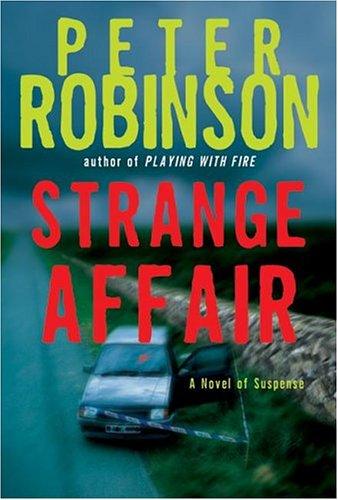
Alternative text for cover: Cover of Playing with FireStrange Affair (2005) is the fifteenth entry at 368 pages, arriving after Playing with Fire and before Piece of My Heart. As throughout the series, Banks's relationships and career continue developing in real time rather than resetting book to book.
Alternative text for cover: Cover of Strange AffairPiece of My Heart (2006), 436 pages, is the sixteenth Inspector Banks novel, following Strange Affair and preceding Friend of the Devil. Peter Robinson's own enthusiasm for music colours the prose throughout this stretch of the series, as it does across the whole run.
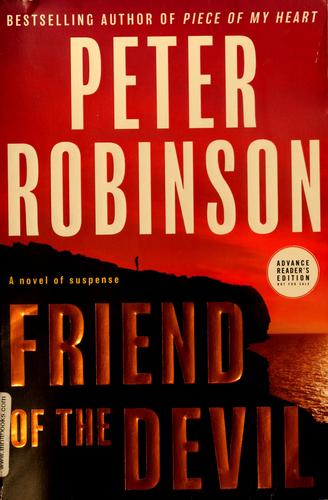
Alternative text for cover: Cover of Piece of My HeartFriend of the Devil (2007) is the seventeenth entry, 398 pages long, sitting between Piece of My Heart and All the Colours of Darkness. It continues the series' close attention to old grudges and buried secrets resurfacing in small-town Yorkshire.
Alternative text for cover: Cover of Friend of the DevilAll the Colours of Darkness (2008), the eighteenth Inspector Banks novel at 448 pages, follows Friend of the Devil and precedes Bad Boy. Peter Robinson keeps the series' hallmark — moral ambiguity over twisty plotting — firmly in place this deep into Banks's career.
Alternative text for cover: Cover of All the Colours of DarknessBad Boy (2010) is the nineteenth entry, running 430 pages after All the Colours of Darkness. It arrived the same year ITV's DCI Banks adaptation began airing, bringing Peter Robinson's Yorkshire detective to television for a run that lasted through 2016.
Alternative text for cover: Cover of Bad BoyWatching the Dark (August 2012), the twentieth Inspector Banks novel at 535 pages, follows Bad Boy and precedes Children of the Revolution. By this point the series' parallel arc — Banks's failing marriage, subsequent relationships, and climb from DCI to Detective Superintendent — has been running continuously for two decades.
Alternative text for cover: Cover of Watching the DarkChildren of the Revolution (2013), 392 pages, is the twenty-first entry, following Watching the Dark and preceding Abattoir Blues. Peter Robinson's Yorkshire procedural remains squarely character-driven at this stage, favouring Banks's flaws and the Dales' buried history over plot twists.
Alternative text for cover: Cover of Children of the RevolutionAbattoir Blues (2014) is the twenty-second Inspector Banks novel at 472 pages, arriving between Children of the Revolution and When the Music's Over. It continues a series often compared to Inspector Morse or early Wallander for its slow-burn, atmosphere-first approach.
Alternative text for cover: Cover of Abattoir BluesWhen the Music's Over (2016), the twenty-third entry at 692 pages, is the longest in the series, following Abattoir Blues and preceding Sleeping in the Ground. Music has always coloured Peter Robinson's prose given Banks's own enthusiasm for it, making the title a fitting late addition.
Alternative text for cover: Cover of When the Music's OverSleeping in the Ground (2017) is the twenty-fourth Inspector Banks novel, 336 pages long, following When the Music's Over and preceding Careless Love. Peter Robinson keeps developing Banks's personal history here, three decades into a series where nothing resets between books.
Alternative text for cover: Cover of Sleeping in the GroundCareless Love (2018), the twenty-fifth entry at 426 pages, followed Sleeping in the Ground and preceded Many Rivers to Cross. It continues the series' long-running interest in secrets buried in small-town and rural Yorkshire finally surfacing.
Alternative text for cover: Cover of Careless LoveMany Rivers to Cross (2019) is the twenty-sixth Inspector Banks novel at 392 pages, arriving after Careless Love and before Not Dark Yet. By this stage of Peter Robinson's series, Banks has risen from DCI to Detective Superintendent, part of the career arc that runs continuously across all twenty-eight books.
Alternative text for cover: Cover of Many Rivers to CrossNot Dark Yet (2021), 320 pages, is the twenty-seventh entry, following Many Rivers to Cross and preceding the series finale, Standing in the Shadows. It continues the moral ambiguity and Yorkshire atmosphere Peter Robinson built the series on for over three decades.
Alternative text for cover: Cover of Not Dark YetStanding in the Shadows (2023) is the twenty-eighth and final Inspector Banks novel, 352 pages long, following Not Dark Yet. Peter Robinson completed it before his death in October 2022, closing out a series that had followed Alan Banks continuously from Eastvale newcomer to Detective Superintendent since Gallows View in 1987.
Alternative text for cover: Cover of Standing in the ShadowsAlan Banks left a burnt-out career in the Metropolitan Police for what he expected to be a quieter posting in the fictional Yorkshire market town of Eastvale — and instead spent nearly three decades investigating murders that dig into the fault lines of small-town and rural England: old grudges, class resentment, and secrets that surface decades later. Peter Robinson wrote Banks as a genuine music and whisky enthusiast whose personal tastes colour the prose, and let his home life evolve in real time across the series — a failing marriage, a difficult divorce, a string of relationships, and a slow rise from DCI to Detective Superintendent, all against the backdrop of the fictional Yorkshire Dales he made as vivid as any real place in British crime fiction.
The series is squarely in the tradition of literary, character-driven British police procedural: less about twisty plotting and more about atmosphere, moral ambiguity, and a detective whose flaws (a temper, a tendency to go it alone, a weakness for the wrong women) are never smoothed away. It's for readers who loved Inspector Morse or early Wallander and want a long-running, slow-burn Yorkshire equivalent — and it's the basis for the ITV series DCI Banks (2010–2016).
There are 28 novels in the Inspector Banks series, from Gallows View (1987) to Standing in the Shadows (2023).
Publication order, starting with Gallows View (1987). Alan Banks's personal life and career build continuously across the series in the order the books were written.
Yes. Author Peter Robinson died in October 2022; his final Banks novel, Standing in the Shadows, was published posthumously in 2023, and no further books are planned.
Yes. Dead Right is the UK title of the ninth Inspector Banks novel; it was published in North America as Blood at the Root.
Yes. ITV's DCI Banks (2010-2016), starring Stephen Tompkinson, adapts several of the novels, though it compresses and reorders some plots and character details from the books.
Reading order last verified .


