


Splendid Trilogy
historical romance
Series · historical romance
The School for Manners series by M. C. Beaton has 6 known books (6 published) and is best read in publication order, starting with Refining Felicity (1988).
Start here: Refining Felicity (1988) — then read straight through in publication order.
The date order of published books and any announced future entries — the default way to read the series.
M. C. Beaton opened School for Manners with Refining Felicity in 1988, the longest book in the series at 176 pages. It follows the eldest daughter of the disgraced, debt-ridden Vicar Armitage, sent to her aunt in Yorkshire for a crash course in polish and poise before a marriageable match.
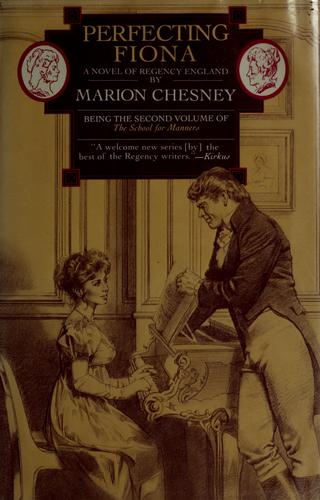
Alternative text for cover: Cover of Refining FelicityPerfecting Fiona followed in 1989, the second entry at 168 pages, continuing the Armitage siblings' one-by-one transformation from rough-mannered country obscurity into marriageable Regency ladies and gentlemen.
Alternative text for cover: Cover of Perfecting FionaEnlightening Delilah, also 1989, is the shortest School for Manners novel at 165 pages, the series' third book, following another Armitage sibling through the same comic makeover-and-courtship premise.
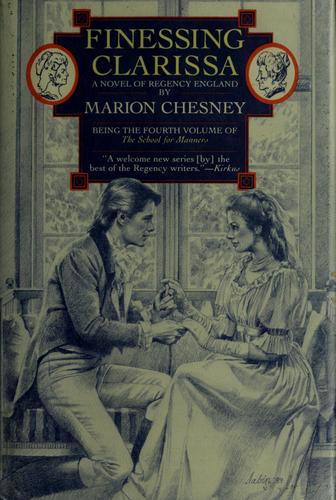
Alternative text for cover: Cover of Enlightening DelilahFinessing Clarissa rounded out Beaton's run of 1989 releases as the fourth entry, matching Perfecting Fiona's 168-page length, continuing the Armitage children's turns at transformation and a prickly, particular match.
Alternative text for cover: Cover of Finessing ClarissaAnimating Maria arrived in 1990 as the fifth book, running 169 pages, following another of the debt-ridden Vicar Armitage's children through School for Manners' comic makeover-and-romance formula.
Alternative text for cover: Cover of Animating MariaMarrying Harriet closed the completed School for Manners series in 1990 at 167 pages, its sixth and final installment, bringing the youngest Armitage sibling's transformation-and-romance story -- and the family's running joke of poverty -- to a close.
Alternative text for cover: Cover of Marrying HarrietThe six School for Manners novels follow the children of the disgraced, debt-ridden Vicar Armitage of Cherworth, each one packed off in turn to be transformed from awkward, rough-mannered country obscurity into a marriageable Regency lady or gentleman. Beginning with Refining Felicity, in which the eldest daughter is sent to her aunt in Yorkshire for a crash course in polish and poise, the series works through the Armitage siblings one by one — Fiona, Delilah, Clarissa, Maria and Harriet — each novel pairing the deliberately comic makeover premise with a specific, often prickly match: a duke who finds Felicity's lack of guile refreshing after a season of scheming debutantes, a rake who underestimates a supposedly unfashionable country girl at his peril.
Written under the Marion Chesney name (later reissued as M. C. Beaton) in the late 1980s, the series leans hard into Beaton's talent for social comedy — bad haircuts, worse dancing lessons, mortifying dinner-table gaffes — before each Armitage sibling proves there's real character underneath the rough edges. Because the family's poverty and social awkwardness is the connecting joke across all six books, they read best as a set: the running gags about the vicarage's chaos and the parents' oblivious relief at getting one more child successfully married off build cumulatively, even though each book's central romance is self-contained.
Six, published between 1988 and 1990, starting with Refining Felicity.
Each novel follows one of the six children of the poor, socially awkward Vicar Armitage as they're sent away to be polished into a marriageable Regency lady or gentleman and find an unexpected match.
Not strictly -- each book is a complete, self-contained romance about a different sibling -- but reading in order lets the family's running jokes and the parents' relief at each successful match build naturally.
Yes, originally under Marion Chesney, the author's other pen name, and later reissued as M.C. Beaton.
No shared characters -- it's a separate, self-contained sextet from the same Marion Chesney/M.C. Beaton Regency romance period as Travelling Matchmaker and the Six Sisters.
historical romance

historical romantic suspense

historical romance

historical romance

historical romance

historical romance

historical paranormal romantic suspense

historical romance
Reading order last verified .